
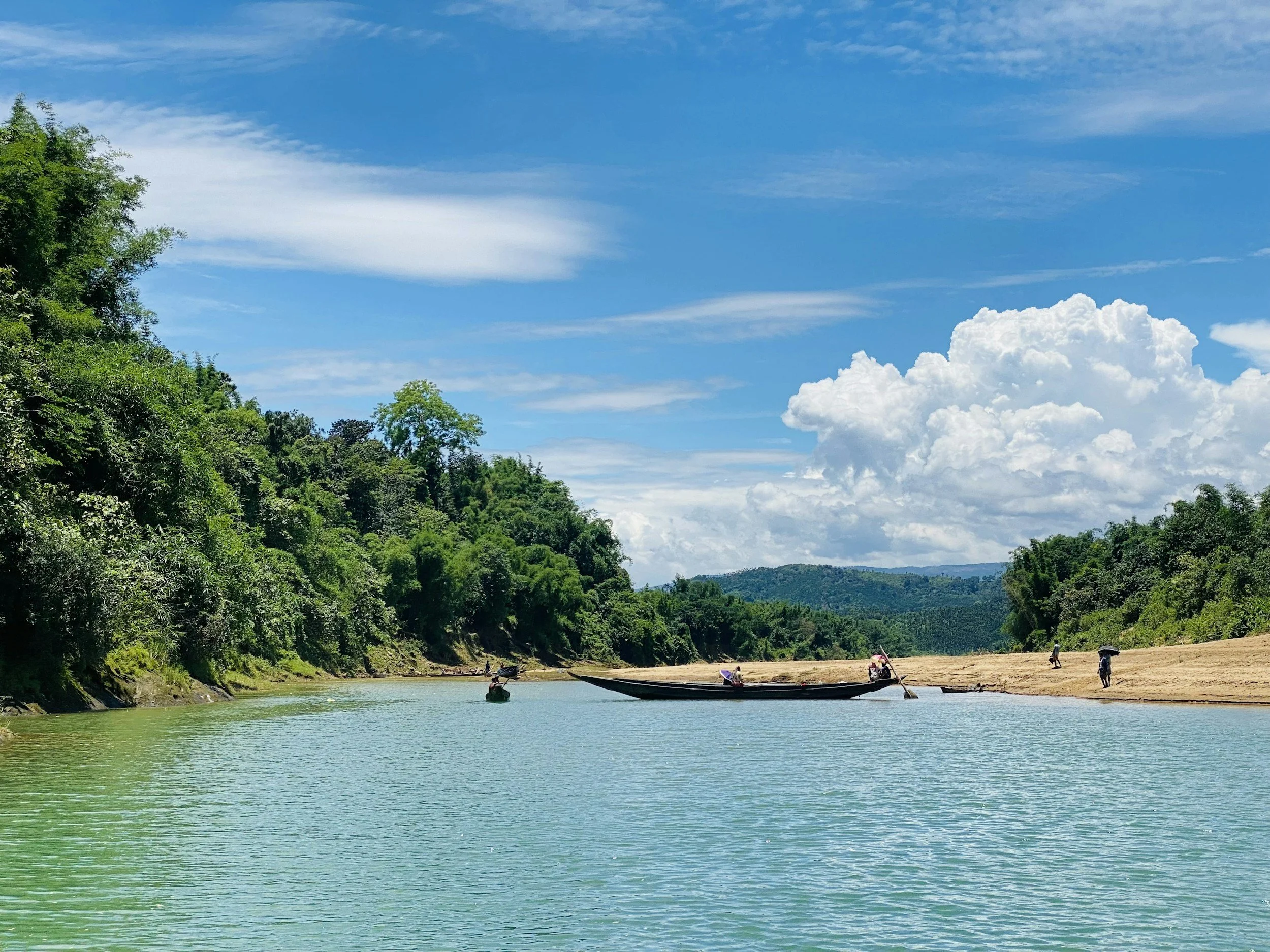
Bangladesh
Bangladesh is highly vulnerable to climate change, due to its deltaic geography and dependence on climate-sensitive sectors like agriculture and water resources.
The UK Government's Just Transitions for Water Security (JTWS) aims to support better water management in the face of climate change.
The programme provides this support through three initiatives. Bangladesh is one of five countries where these initiatives intend to jointly engage stakeholders from government, financial sectors, corporate and supply chain, as well as civil society.
-
RWA works to design and develop replicable investment models that channel private and commercial finance to strengthen water security and climate resilience.
In Bangladesh, RWA is working with manufacturers and brands across the country’s massive apparel and garments industry to facilitate investment in improved water stewardship practices.
-
Launched at COP26, FWF is a partnership between government, the private sector, financial institutions and civil society that aims to 'harness the power of trade, enterprise, and communities, to help deliver sustainable water and sanitation for all by 2030'.
-
WRT is a tool and diagnostic guide which supports the understanding and enhancement of water resilience in national climate plans.
Key opportunities for JTWS in Bangladesh
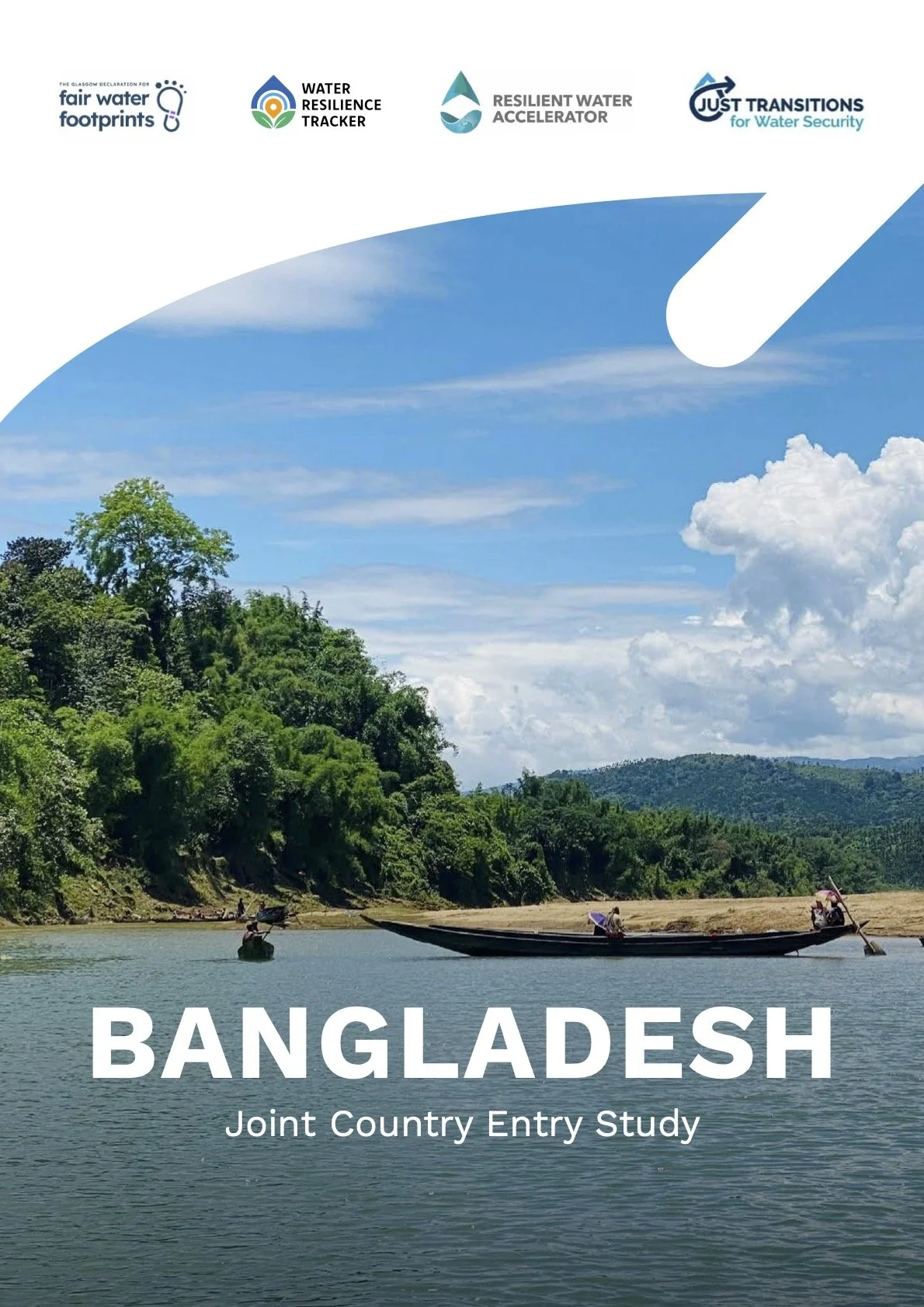
Read our full analysis of the political, economic, social, technological, legal, and environmental factors shaping water security in Bangladesh in our Joint Country Entry Study.
-
Strong dependence on water inflow from upstream countries, especially India, require transboundary cooperation regarding sharing of the common resource. However, Bangladesh has a complicated relation with its upstream neighbour, also related to Bangladesh' history and its current political situation.
International cooperation and funding by bilateral and multilateral donors are vital for Bangladesh as it facilitates sustainable development, economic growth, and the resolution of critical issues such as poverty, health crises, and climate change. Recent reductions in donor budgets pose a serious threat to these advancements.
-
Access to safe drinking was declared a fundamental right (but not sanitation).
Inequality of water access especially in rural areas. Addressing water contamination and expanding reliable drinking water access remain ongoing challenges particularly in slums and rural settings.
Water is currently not tariffed and WASA lacks effective metering systems.
Ensuring compliance of effluent water treatment is a challenge because of the lack of monitoring and capacity of responsible entities.
-
Fragmented water resource monitoring and weak enforcement monitoring mechanisms. For example, a comprehensive database on water quality for both surface water and groundwater is lacking.
Industries lack incentives to move to cleaner production technologies while authorities practice Command and control mechanisms and penalties.
Integration of polluter pays principle might present to be challenging, considering the monitoring necessity which can hinder water footprint developments.
International brands and standards provide a lever for compliance to environmental laws in the country.
Environmental courts are not directly accessible for compensation claims by citizens.
Non-matching and inadequate collection of environmental fines, with repeat offenders likely to pollute again and often pay the same fines.
Low levels of transparency and accountability may limit access to information, cause trust issues and inhibit collaboration. The enforcement model is reactive based on media reports or complaints and not evidence based or proactive.
-
Most large water treatment projects do not have a clear business model and therefore attracting the right type of investors is a challenge.
Absence of policy documents to guide water investment, unlike energy sector, developed in collaboration with Japan.
Available government funding remains limited and is not enough to cover the projects identified in the plans. The rapid urbanization and population growth in combination with aging infrastructure outpaces the current financial allocations to upgrade these systems.
-
Exposure of key economic sectors to water risks (such as textile and agriculture).
Concentration of industries in specific zones like Dhaka and Gazipur already waterstressed can hinder the possibility of expansions.
Financial sector and insurance risk perception's low penetration show the necessity of public sector involvement and/or derisking institutions.
National economic institutions (e.g., banks, insurance) have not yet adopted water risk tracking or ESG metrics.